
In this article, you will learn
- What is a 10 ml bottle with a DIN18 thread used for?
- How does a **10 ml dropper bottle** differ from a bottle with a pipette?
- How do you select the glass, closure, and dispensing system for drops or an oil?
10ml DIN18 bottle – why is this standard so popular?
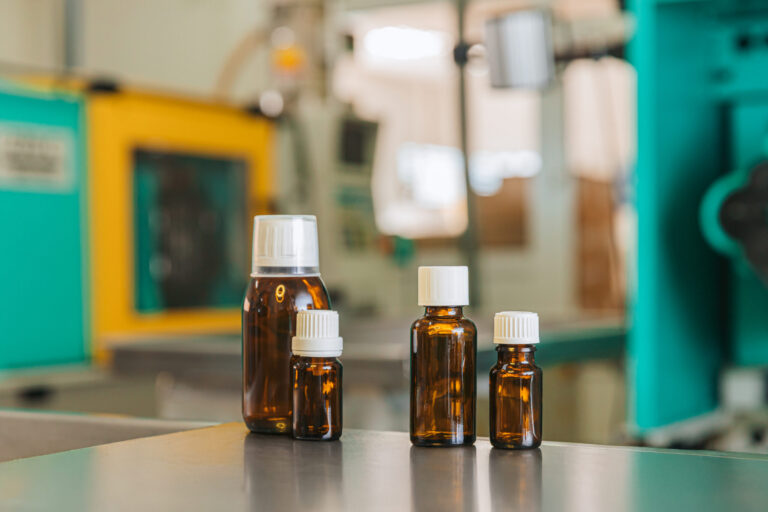
The 10ml bottle is small, handy, and well-suited for drop-dispensed products. It does not take up much space, is easy to store, and fits comfortably in the hand during application.
The DIN18 standard specifies the thread diameter, allowing for the selection of compatible closures. Thanks to this, the same 10 ml bottle can be used with various components: a pipette, a dropper insert, a dropper assembly, an atomizer, or a tamper-evident cap.
Small capacity for precise dosing
10 ml is a typical capacity for products administered in small quantities. It is suitable for drops, essential oils, serums, plant extracts, concentrates, and select compounded preparations.
With products like these, the user does not need a large bottle. What matters is dosage control and ease of administration.
DIN 18 thread and closure selection
The DIN18 thread allows for the use of various closure and dispensing systems. This is important because a low-viscosity solution, an oil, and a cosmetic serum each require a different type of solution.
An improperly selected closure can lead to leaks or dispensing issues. A well-chosen system ensures that the bottle, thread, and applicator work together effectively.
10ml glass bottle – when and why is it worth choosing glass?
The 10ml glass bottle is suitable for preparations requiring a neutral packaging material. Glass does not alter the product's scent, does not stain easily, and does not affect the properties of most typical formulations.
This is a good choice for medications, drops, oils, extracts, and cosmetics containing active ingredients. For such products, the packaging should protect the contents rather than react with them.
Amber glass for light-sensitive preparations
Brown glass—also known as amber glass—limits the impact of light on the bottle's contents. It is used for oils, drops, tinctures, and products that might lose their properties when exposed to UV radiation. While such glass does not replace proper storage conditions, it provides an additional protective barrier.
Clear glass for content inspection
Clear glass makes it easy to assess the appearance of the product. It allows for a quick check of the liquid's color, clarity, and volume within the bottle. It is chosen for products that do not require protection from light or are stored in an outer package.
10 ml dropper bottle – for which products?
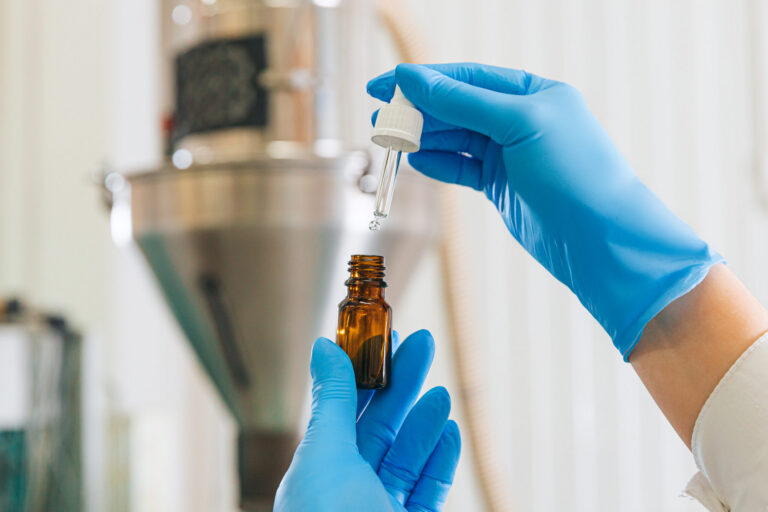
The 10 ml dropper bottle is used when the product needs to be administered drop by drop or applied to a specific point. The dropper allows for the application of a small amount of liquid without the need to pour it directly from the bottle.
This solution works well for drops, oils, concentrates, extracts, and topically applied cosmetic products.
10ml dropper bottles for oils
10 ml dropper bottles are frequently used for essential oils and fragrance blends. Their small size makes it easy to dispense a few drops and minimizes the risk of spilling the product.
Material compatibility is important when dealing with oils. The glass, dropper, and cap should be selected based on the product's composition.
Small glass dropper bottles for drops and extracts
Small glass dropper bottles are also used for solutions, tinctures, and plant extracts. For these products, controlled dispensing and packaging tightness are key.
The dropper should dispense the liquid in a predictable manner. An opening that is too large can cause excessive flow, while one that is too small makes it difficult to apply thicker products.
10 ml bottle with pipette – for targeted application
A 10ml bottle with a pipette is ideal when the user needs to draw liquid from the bottle and dispense it onto a specific area. The pipette offers greater control over application than a standard dropper. It allows a small amount of liquid to be drawn into the glass tube; the user can then apply the product to the skin, a container, a sample, or another chosen location.
In the cosmetics industry, this solution works well for higher-value products where controlling consumption is important.
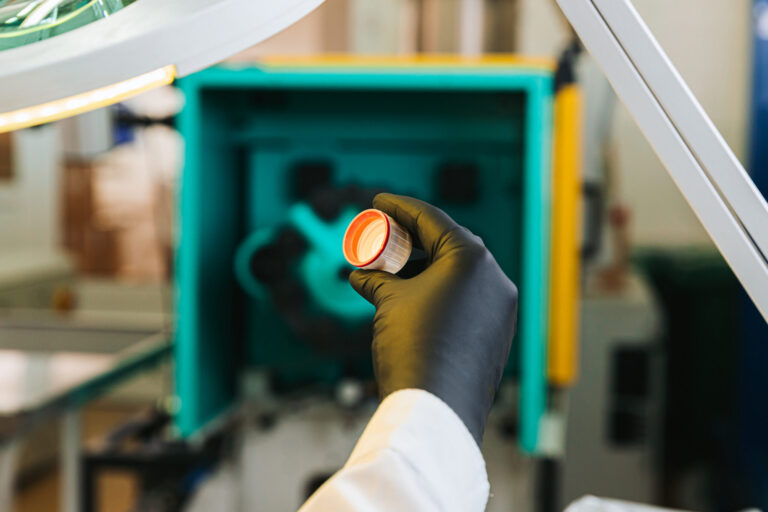
10 ml dropper bottles often feature a cap equipped with a tamper-evident ring. Upon first opening, the ring is broken, allowing the user to see whether the package has been opened previously. For pharmaceutical, compounded, and cosmetic products, this feature supports safety verification.
Glass dropper bottles and the type of preparation
When selecting small glass bottles with droppers, it is important to consider the properties of the liquid. The key factors are viscosity, light sensitivity, the method of application, and the required level of seal integrity.
Low-viscosity preparations
Low-viscosity solutions flow easily from bottles, so a properly selected opening and dropper are essential; otherwise, the product may dispense too quickly. With such volumes, drop consistency is particularly important.
Oil-based preparations
Oils have a different viscosity than aqueous solutions. They may require a pipette or dropper of a different design. An opening that is too small can make dispensing difficult.
Photosensitive preparations
If a product is light-sensitive, an amber bottle is the better choice; this applies to many oils, extracts, and certain liquid preparations. For less sensitive products, clear glass may be used, especially when being able to see the contents is important.
ABA Poland offers 10 ml glass bottles with a DIN18 thread, available in variants suitable for pharmaceuticals, cosmetics, oils, and compounded preparations. The product range includes options compatible with droppers, pipettes, dispensing tips, atomizers, and screw caps. Packaging selection covers glass color, closure type, dispensing method, as well as requirements regarding seal integrity and quality.